Django Kids course introduction
What is Django for Kids?
First, Django is a tool to build websites. It uses Python, which is easy to learn. Kids can create fun and interactive web apps. Moreover, they learn coding step by step. This course also introduces them to HTML and CSS.
How Kids Learn Django
Next, kids start with simple projects like blogs. They use Python to make websites work. Additionally, projects show instant results and fun. They also learn database basics for storing information. As a result, kids build confidence and coding skills fast.
Fun Projects and Freelancing Tips
Finally, kids make games, websites, and small apps. They can also try freelancing with mini projects later. Additionally, learning Django opens paths to other courses. For example, Python for Kids helps improve coding skills. Hence, kids enjoy learning and gain useful experience.
Why Learn Django for Kids?
Builds Strong Coding Skills
First, Django helps kids learn real coding. It uses Python, which is simple and fun. So, kids understand logic and problem solving. Moreover, they learn how websites work. Thus, coding becomes easy and interesting.
Early Career and Freelancing Start
Next, Django opens early career paths. Kids can build small websites for practice. Later, they can try simple freelancing projects. Also, these skills grow with age. Therefore, Django prepares kids for the future.
Creative and Practical Learning
Finally, kids create real web projects. They build blogs, forms, and mini apps. Additionally, creativity grows with coding. They also gain confidence by showing projects. Hence, learning feels fun and useful.
How to Learn Django for Kids?
Start with Python Basics
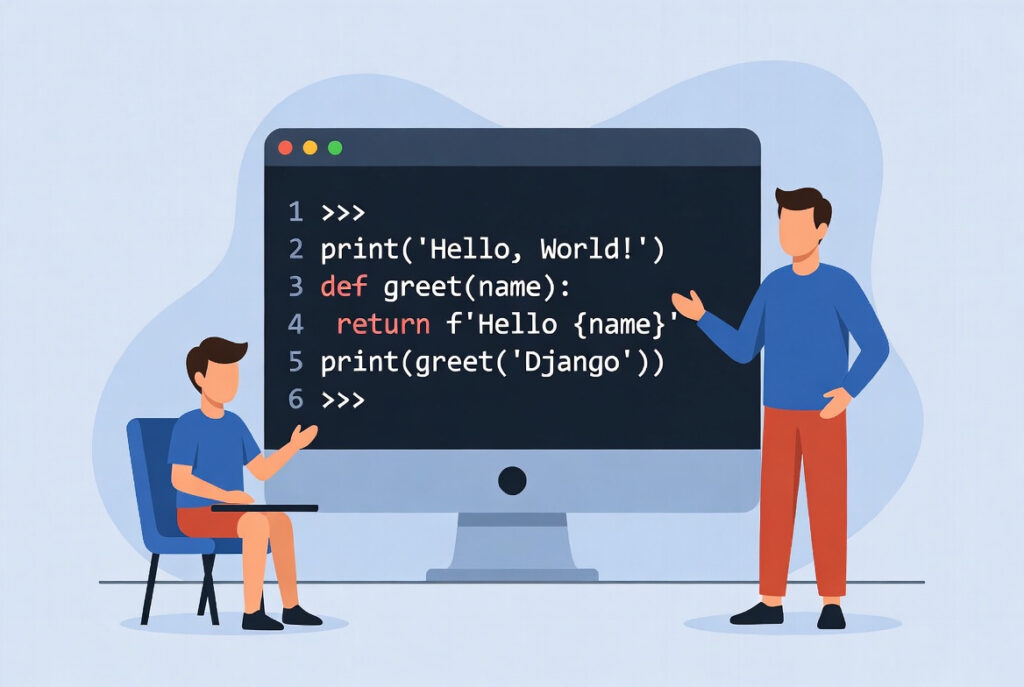
First, kids learn basic Python concepts. They practice variables, loops, and functions. Then, Django concepts become easier. So, learning feels smooth and simple. Thus, strong basics help a lot.
Learn Django Step by Step
Next, kids learn Django models and views. They create simple pages and forms. Additionally, they connect websites to databases. They also use HTML and CSS. As a result, websites look real and fun.
Practice with Small Projects
Finally, kids build mini projects regularly. They create blogs, quizzes, and simple apps. They can also explore beginner freelancing later. Moreover, they can learn Web Development basics. Hence, practice makes learning perfect.