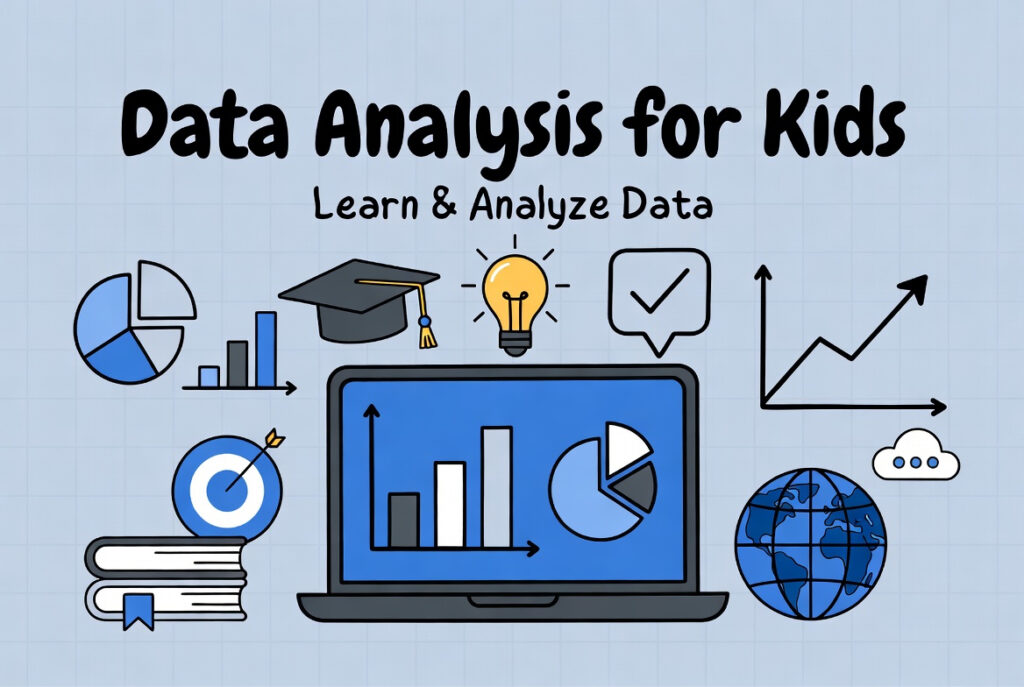
Data Analysis Kids Course introduction
Learning Data Through Numbers and Charts
First, kids learn what Data Analysis means. They collect numbers from daily life. Then, they read charts and simple graphs. So, data becomes fun and easy. Thus, kids start thinking smartly.
Finding Patterns and Making Decisions
Next, kids find patterns in data. They compare numbers and spot changes. Moreover, they learn to make small decisions. As a result, thinking skills improve fast. Later, these skills help in freelancing work.
Using Tools and Future Skills
Finally, kids use simple tools like Excel. They also try beginner Google Sheets projects. Additionally, they learn basics of Python for kids. So, they can earn later through freelancing. Hence, data analysis builds future careers.
Why Learn Data Analysis (for Kids)?
Improves Thinking and Logic
First, data analysis makes kids think clearly. They learn to understand numbers easily. So, problem-solving skills improve fast. Moreover, kids gain logical thinking habits. Thus, learning becomes smarter and fun.
Helps in School and Daily Life
Next, data skills help in math and science. Kids understand charts in books easily. Also, they compare scores and results. As a result, confidence grows naturally. Later, these skills help in projects.
Future Skills and Freelancing
Finally, data skills help in future careers. Kids can work online when they grow up. They can do simple freelancing tasks. Moreover, companies need data skills. Hence, learning early gives advantage.
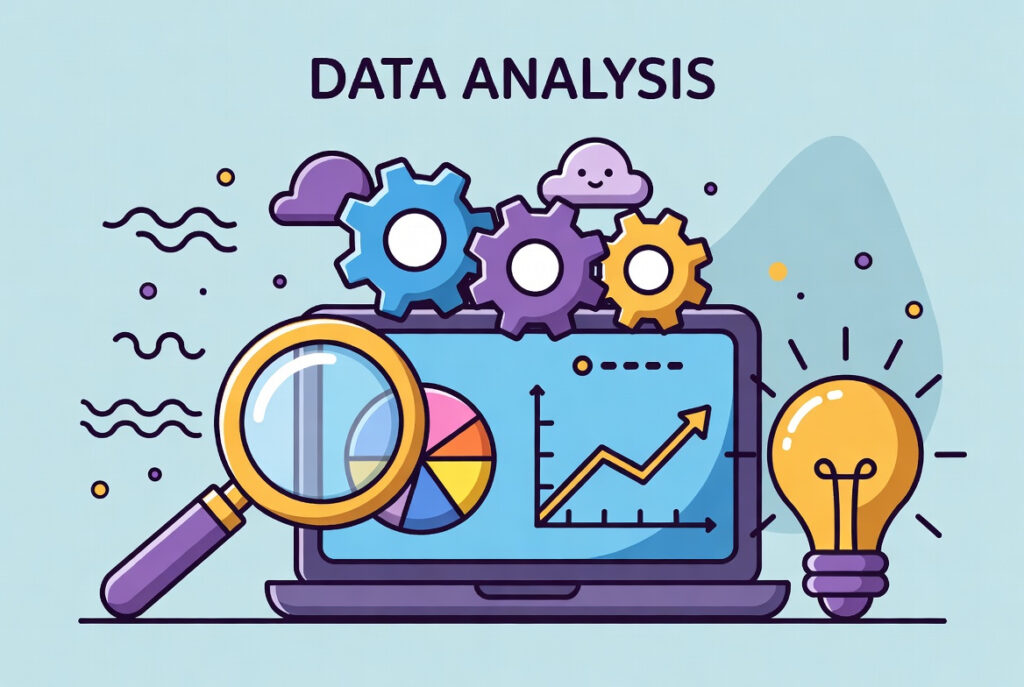
How to Learn Data Analysis (for Kids)?
Start with Basics and Fun Data
First, kids learn what data is. They use daily examples like games and scores. Then, they count and sort numbers. So, learning feels like playtime. Thus, basics become very strong.
Learn Simple Tools and Courses
Next, kids use Excel and Google Sheets. They create charts with colors and shapes. Also, they learn a beginner Python course. As a result, skills grow step by step. Moreover, tools make learning exciting.
Practice with Small Projects
Finally, kids do small data projects. They track marks or favorite games. They present data using charts. Later, these skills help in freelancing. Hence, practice builds confidence early.